
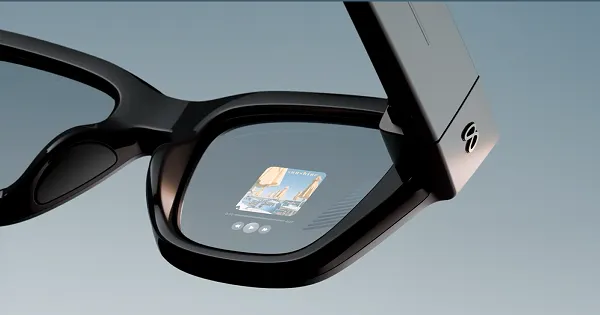
Meta is opening up its Meta Display glasses to third-party developers, as the company looks to build new options to expand the device’s utility.
Released in September, Meta’s Display model is the company’s most advanced artificial intelligence-powered glasses product yet. It offers expanded feature capacity, including a heads-up display and a wrist control band, in order to enable more types of user interaction.
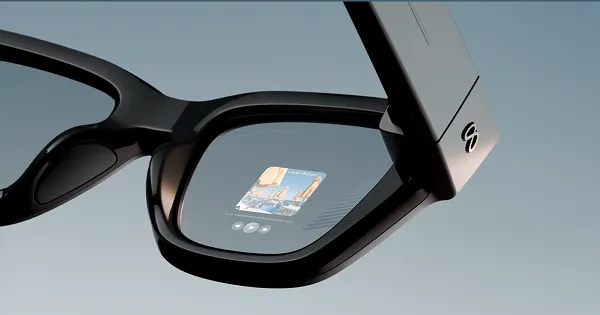
Meta said that developers will be able to build mobile and web apps for Meta Display in developer preview, providing all-new considerations for its AI glasses.
As per Meta: “You can create display experiences using familiar tools, whether you’re extending an existing iOS or Android mobile app or building something entirely new.”
Meta’s Neural Band enables all-new types of gesture control options, which could open up a range of opportunities for dev partners.
“For developers, this opens up a new unique interaction model that doesn’t rely on touchscreens, voice, or capacitive touch,” Meta said. “You can design experiences that respond to simple gestures, enabling more discrete, immediate control in real-world contexts without speaking or reaching for the glasses.”
One example of this, shared by Meta CTO Andrew Bosworth, is “Darkroom Buddy,” a Meta glasses app that provides information on key dark room processing information, overlaid on the user’s vision.
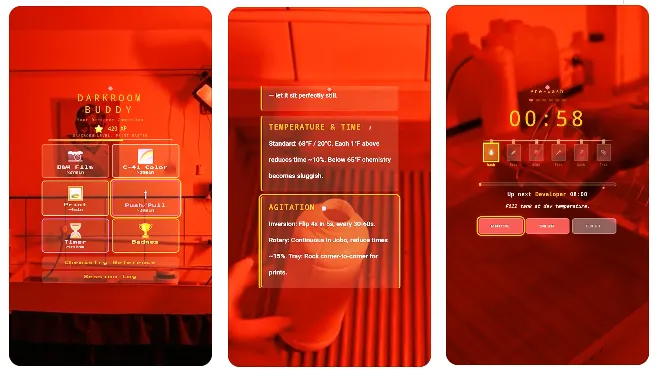
Meta’s Display glasses could facilitate a range of usage options like this, giving the wearer access to direct, in-lens guidance on how to undertake tasks.
Meta said that it will gradually expand access to its Display development program over the coming weeks. The company hopes this will lead to expanded use cases for the device.
And with Meta also looking to launch its AR glasses sometime next year, this could also be a lead-in to the next stage of digital connection, providing more immersive, interactive options for wearables.






Recent Comments