

“My goal is not to buy one property. My goal is to build a machine that continuously funds future acquisitions.”
The investor: Osama, Detroit. BRRRR. Zero to nearly 30 units in just over a year.
The agent: Julia, FIRE Realty Team, Detroit
Osama came to real estate from the side of the screen most of us know too well: watching other investors do the thing and quietly wondering why he was only watching. Why can’t I do this too?
That question, he says, is the whole origin story: “There was no amount of podcasts, books, YouTube videos, or courses that could replace taking action.”
Osama graduated from a top program. He was, by his own read, plenty capable. The gap was never the resume. “The difference was they started, and I didn’t,” he says. (If you’re still in the watching phase, it’s worth noting: 12 months ago, so was he.)
Osama’s Detroit buy box is intentionally narrow: single-family homes around $120,000 and under, in the city’s stronger pockets, where you can still buy cheap, rent well, and force value through a renovation. Then the part most people skip: Before he writes an offer, he runs the refinance first. Can he rehab it, place a quality tenant, refinance, pull most or all of his capital back out, and roll straight into the next one?
This sets up a search that nearly fooled him. Two of his three options were east-side colonials with after-repair values pushing $200,000. The third was a west-side bungalow with an ARV closer to $145,000.
On paper, they weren’t even close. But Osama has learned to distrust the paper. “ARV alone does not pay the bills,” he says.
The move here is worth stealing: Run the refinance, not the comp. Equity you can’t pull back out is just a number you quote at parties.
His agent has a read on him too. “I would call Osama a strategic risk-taker,” Julia says. “A lot of investors never get skin in the game because they are too paralyzed by the risk and work involved. The most successful real estate investors are the ones in the arena rolling with the punches.”
Here are the three he weighed.
Option 1: Morningside colonial, east side
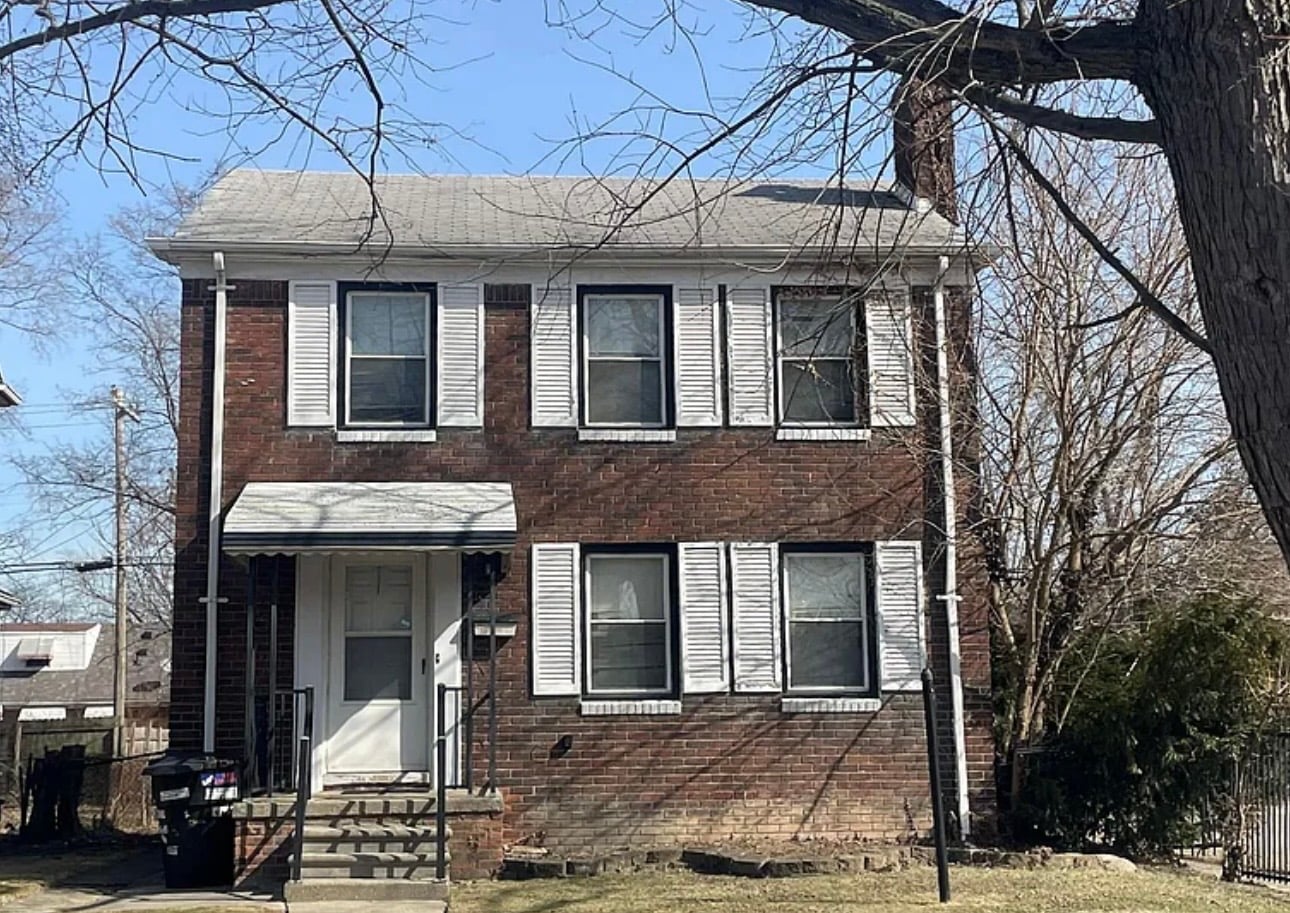
A 1,600-square-foot colonial in Morningside on Detroit’s east side, the kind of solid two-story that makes the math look easy at first glance. Projected after-repair value landed near $200,000, which is what grabbed him.
The catch lived on the rent side, and the refinance behind it, where the numbers came in softer than the equity suggested. He’s also been the victim of more than one furnace theft on the east side, which colors how he now weighs the area.
Price: $90,000
Option 2
Morningside colonial, round two
Another Morningside colonial: 1,500 square feet, with a projected ARV near $200,000.
On the surface, a near twin of the first, and a deal plenty of investors would sign on the equity alone. Dig in, and the refinance would not have returned as much of his capital as he wanted to recycle into the next buy.
A good deal. Just not a good-enough machine.
Price: $80,000
Option 3: West-side bungalow
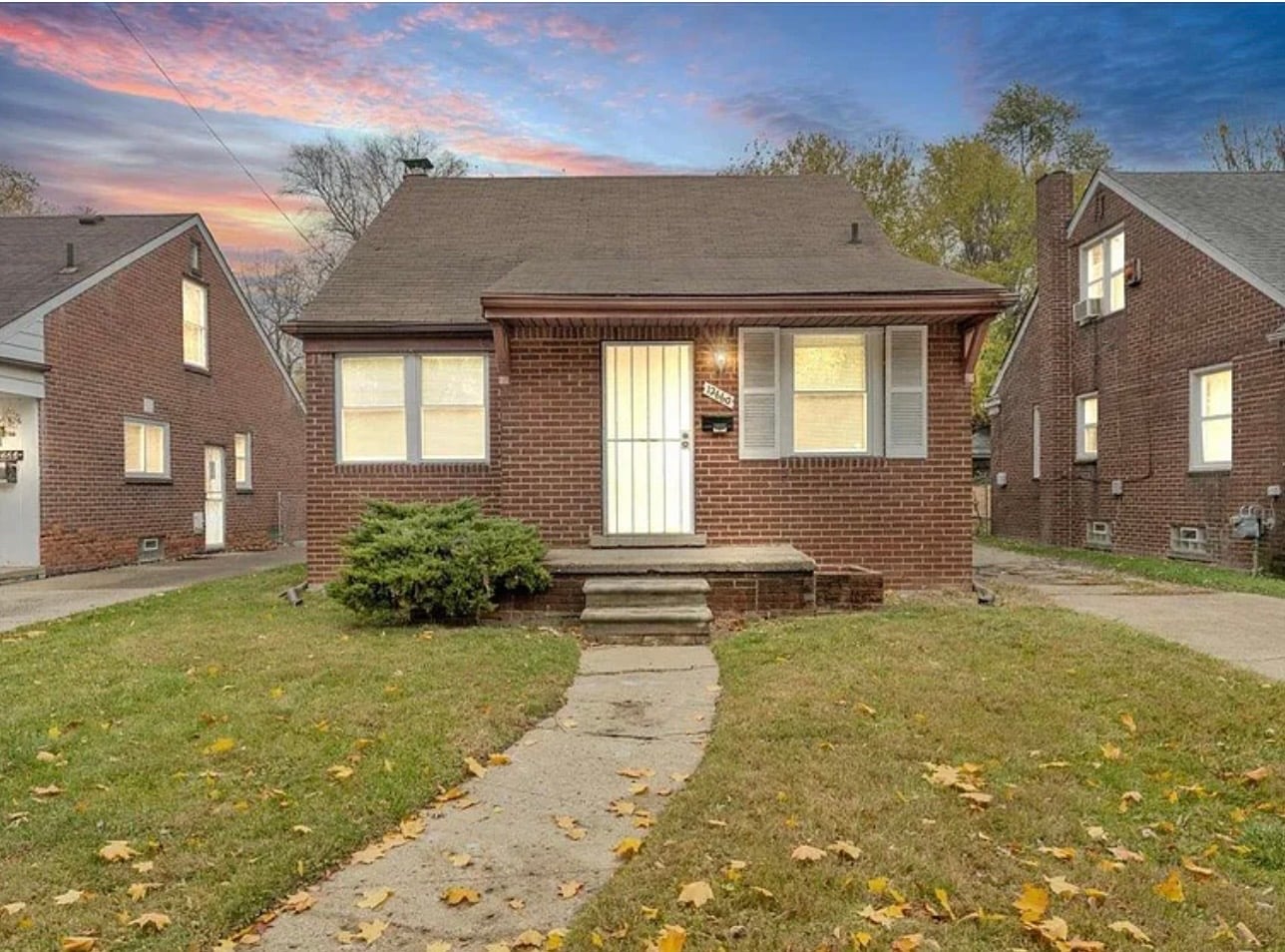
A 1,300-square-foot bungalow on the west side and, on paper, the weakest of the three. Projected ARV was only around $145,000, well under the east-side colonials. But the west-side rental market was producing meaningfully higher rents, which is the number that actually feeds a BRRRR.
Listed at $105,000, with room to move. The lowest equity ceiling and the strongest cash flow. The whole question, in one house.
Price: $105,000
What He Bought
Osama picked the west-side bungalow. The one with the lowest ARV, the highest list price, and the worst-looking spread of the three. Most investors would have grabbed an east-side colonial and the $200,000 equity headline. He went the other way, on purpose.
The reason is the whole point of how he buys. “The only thing that is real at the end of the day is the money that ends up in your pocket,” Osama says. “Equity is great, but if you cannot access it, if it does not help you grow, or if it does not comfortably cover your debt and leave something left over, then it is not accomplishing much.”
The east-side colonials had a prettier ARV. The west-side rents had a better refinance, and that refinance is what hands him back the capital to buy the next one.
Then Osama made the numbers better. The bungalow was listed at $105,000. Osama negotiated the seller down to $80,000, a $25,000 cut before a single repair. That meant a lower basis, stronger rents, and a cleaner refinance. “Once I reran the numbers, the decision became easy,” he says.
The full BRRRR ran exactly as drawn up. He bought at $80,000, renovated, placed a strong tenant, refinanced, recovered his capital, and rolled it forward. “The two east-side properties would have made money,” he says. “The west-side property made more money. That is the difference.”
That is the part worth sitting with if you’re weighing your own deal. “I do not buy properties to say I own them,” Osama says. “I buy properties to create profit, generate cash flow, and build momentum. Every successful BRRRR is not just another rental. It is the down payment on the next opportunity.”






Recent Comments