
Accounting for Change
By Elizabeth McQueen, Sara Porkalob. What levels of change and accountability are we responsible for? Source link...

By Elizabeth McQueen, Sara Porkalob. What levels of change and accountability are we responsible for? Source link...

By Quita Sullivan, Mary Kathryn Nagle, Betsy Richards. Native theatremakers have been combatting harmful representations of Native people in theatre for many years. Source link...

By . In today's Europe, can culture defend freedoms, nurture engagement, and contribute to a vibrant, open, and shared democracy? Source link...
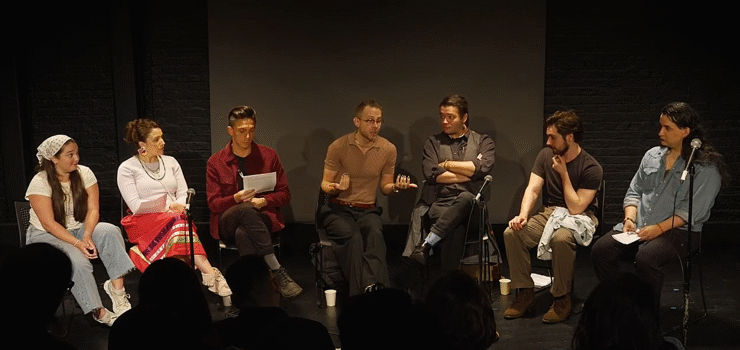
By Tomi Endter. Playwright Tomi Endter imagines a future fifty years from now when American theatre has finally centered Native voices. Source link...
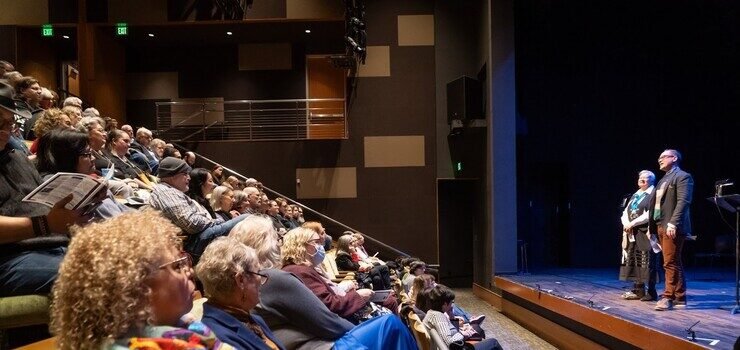
By Madeline Easley. Madeline Easley details an experience working with the Wyandots of Kansas while writing a new play for Kansas City Repertory Theatre that touched on deep, nuanced, multi-governmental politics—and h Source link...
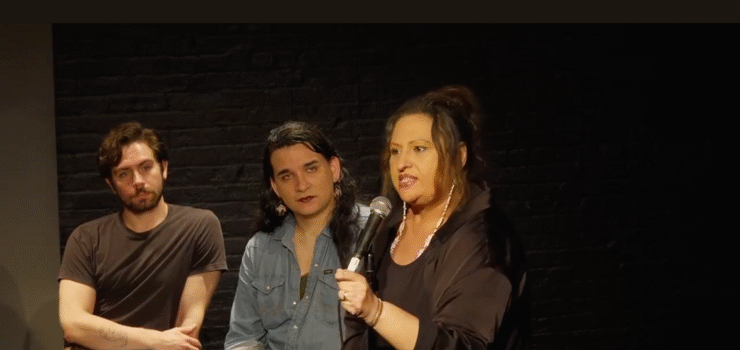
By Chingwe Padraig Sullivan. Chingwe Padraig Sullivan shares findings and impacts of the recent Native Theatre Community Town Hall on representation, erasure, and accountability in the American theatre, which was hosted by HER Source link...
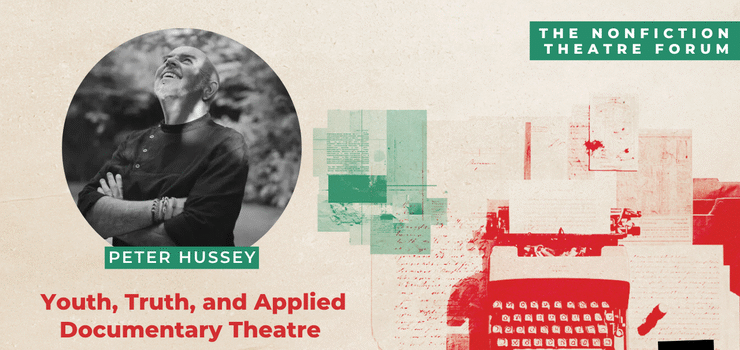
By Ash Marinaccio, Peter Hussey. Ash talks with Peter Hussey of Crooked House Theatre about the ways interviews and personal stories shape their youth and documentary theatre, and how intergenerational projects connect people acro Source link...

By Tara Moses. Tara Moses introduces the series The Unspoken Treaty: The Pattern, Impact, and Disruption of Silencing Native Voices, outlines how the “American theatre” got here, details key takeaways fr Source link...
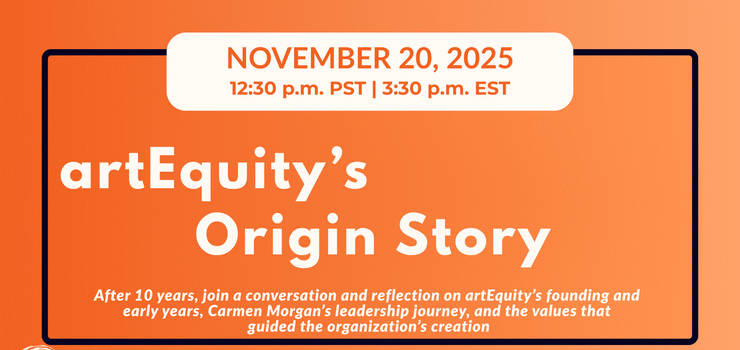
By . Over the last 10 years, artEquity has cultivated spaces for connecting, building deeper racial analysis, and supporting BIPOC leaders—especially Black leaders—in shaping a more just and sustainable Source link...
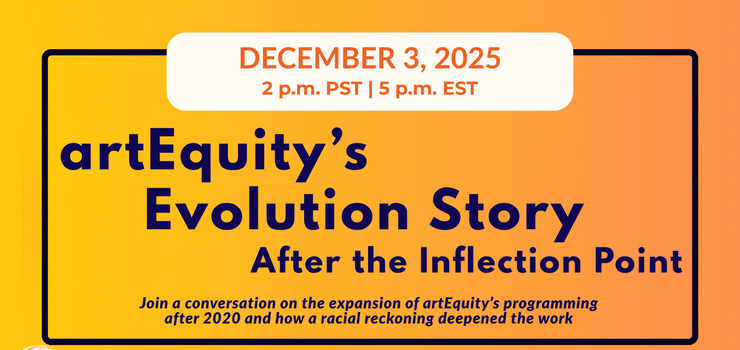
By . How artEquity’s programming expanded after 2020 and how those shifts deepened the work. Source link...



Recent Comments