
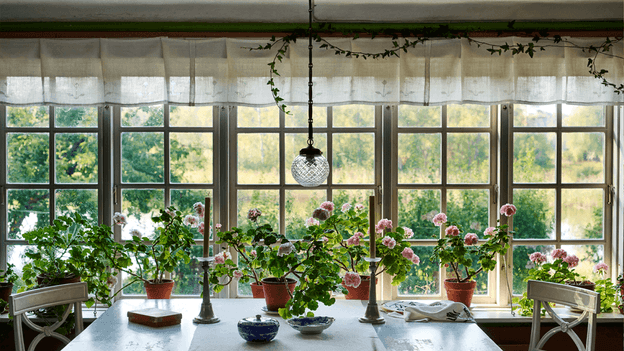
There are a handful of Nordic design characteristics that these homes share. Key is the use of natural materials, and the way these houses connect with and frame views of the landscape. Bradbury also cites their relative modesty of scale and subtlety. “These are sophisticated designs yet they sit gently and lightly upon the landscape,” he says.
According to Bradbury, during the post-war period, these Nordic modern masters forged the ideal of “warm modernism”, or “soft modernism”. These ideals offered an enticing and more expressive alternative to the International Style – the movement characterised by minimalism and functionalism that dominated design and architecture from the 1920s to the 1970s.
And when it comes to interiors, soft modernism is expressed through the organic materials, the textures and tones, the wood burning stoves and playful notes. “The organic, pale textures and tones of Nordic interiors and furniture were definitely a huge influence around the world from the mid-century modern period onwards,” he says.
More like this:
• The Scandi homeware style that Swedes love
• 10 of the world’s most spectacular tree houses
• Eight quick fixes to revitalise your home
As for the influence beyond Scandinavia, any home with big, open-plan living spaces zoned for different activities, plenty of glazing framing views and weather, internal planting, building into the landscape, and timber walls or ceilings, is either knowingly or unknowingly giving a Nordic nod.






Recent Comments