
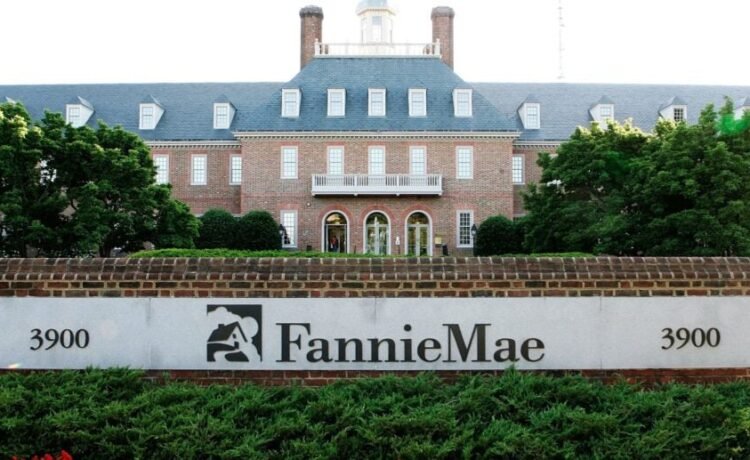
The rent-to-own strategy has proven to be a trusted way for investors to sell their properties to tenants at a profit. What’s not usually so trusted in these scenarios is the assurance that your tenants will improve their credit scores enough to qualify for a mortgage and actually be able to buy your rental.
Help for the cause has arrived from an unlikely source: government-sponsored entities (GSEs) mortgage backers Fannie Mae and Freddie Mac, who are allowing rent and utility payments included in credit reports to be factored into mortgage approvals. This is particularly advantageous for landlords, as they can now easily monitor these two essentials to ensure tenants stay on track in their quest to become homeowners.
New Rules: When Rent and Utilities Start to Count
The enhanced scoring models, which begin on July 10, aim to incorporate what federal regulators describe in a Federal Housing Finance Agency (FHFA) press release as a “new era of credit score competition.” The new move is intended to make mortgage approvals easier for potential buyers to offset years of rising home prices under the former credit score system.
According to the FHFA, both Fannie and Freddie are moving forward with the VantageScore 4.0 and FICO 10T models, which are specifically designed to favor alternative data, such as rental history, once reported to major credit bureaus.
FHFA says this transition is intended to expand access to homeownership for creditworthy borrowers who were previously overlooked by older systems that relied heavily on traditional credit cards and installment loans.
How Mortgage Lenders Access the Data
The new system will allow mortgage lenders to submit a borrower’s bank account data, including 12 consecutive months of rent payments. According to Michael DeVito, CEO of Freddie Mac, it could be a game-changer for potential borrowers with limited credit history.
“By factoring in a borrower’s responsible rent payment history into our automated underwriting system, we can help make homebuying possible for qualified renters, particularly in underserved communities,” DeVito said in a statement reported by HousingWire.
Accessing a borrower’s banking info can be accomplished with the borrower’s permission through common money transfer/payment apps such as Zelle, Venmo, or PayPal.
Landlords Are a Part of the Equation
Freddie Mac announced in November 2021 that it wanted multifamily landlords to report positive rental payments to the three major credit reporting bureaus through Esusu Financial, enabling renters to become homeowners.
Freddie Mac CEO Michael DeVito said at the time:
“Rent payments are often the single largest monthly line item in a family’s budget, but paying your rent on time does not show up in a credit report like a mortgage payment. That puts the 44 million households who rent at a significant disadvantage when they seek financing for a home, a car, or even an education. While there remains more to do, this is a meaningful step in addressing this age-old problem.”
Sister GSE Fannie Mae first announced in August 2021 that one-time rental payments would be factored into its underwriting calculations. Bill Pulte, chairman of Fannie Mae and Freddie Mac, said on social media the change “expands credit access to millions of forgotten Americans—people who live in rural areas, renters who pay their rent on time every month—and [helps] bring down closing costs.”
The Role Landlords Play
Rent and utility payments aren’t automatically factored into a tenant’s mortgage eligibility. Landlords or property managers typically need to work with a rent-reporting service to transmit data to Equifax, Experian, or TransUnion. To that end, Freddie Mac’s multifamily division has launched a program that encourages this, including up to two years of on-time rental payments.
For landlords of single-family properties who hope to sell to their tenant-occupants, Freddie Mac has updated its Loan Product Advisor (LPA) so lenders can indicate when a borrower’s rent payment history has been documented.
This typically occurs in one of three ways: either through asset reports identifying recurring rent transfers; by submitting leases, bank statements, or canceled checks; or through third-party verification reports with prior tenant approval.
PennyMac, a major correspondent lender, said that for certain types of mortgages, a positive history of rent payments can upgrade a loan’s risk class from “Caution” to “Accept,” improving the borrower’s approval chances. An essential component for approval is 12 months of consecutive on-time payments with no delinquencies.
Fast-Tracking First-Time Homebuyers
In qualifying tenants, landlords might want to mention Freddie Mac’s Desktop Underwriter (DU) system to their tenants, which identifies at least 12 months of recurring bank statements totaling $300 or more and uses that information to approve first-time homebuyers. The advantage is that it does not directly affect the consumer’s credit report or score.
Equally, Fannie Mae’s Multifamily Positive Rent Payment Reporting pilot program in the multifamily sector allows landlords to share positive rent payments with credit bureaus.
To be considered for a Fannie Mae mortgage under current guidelines introduced in 2022, renters must meet the following criteria:
- Be a first-time homebuyer purchasing a principal residence,
- Have a credit score of at least 620 (nontraditional credit is generally not permitted),
- Have been renting for at least 12 months,
- Have rent payments of $300 or more per month, and
- Have bank accounts that document the most recent 12 months of recurring rent payments.
Rent Reporting Can Help Potential Homebuyers
Rent reporting makes a difference, according to early monitoring of one Fannie Mae rent reporting program in which renters saw an average of a 40-point increase in their credit scores once one-time payments were factored in. According to a 2023 Bankrate article, over 23,000 renters established credit through the program.
According to a November CNBC article, TransUnion found that rental reporting can boost credit scores by an average of nearly 60 points.
The article reports that rent reporting services such as Boom, Rent Reporters, and Rental Kharma will verify a tenant’s payment history and submit the information to the credit reporting bureaus. However, these companies all charge a fee for their services.
“There is a logistical problem for the bureaus to receive rental data from landlords, since there are so many landlords and many of them are too small to bother with,” says Jim Droske, president of Illinois Credit Services. “So, rent reporting companies have recently stepped in to fill the gap.”
Final Thoughts
Landlords will likely need to check with their tenants about how their potential lenders are qualifying them. A 2026 guide from Background Check Solutions notes that while FICO 8 is widely used across many types of mortgage lending, it generally does not incorporate rental data. However, FICO 9 and FICO 10 do.
Also, expanded rent and utility reporting options won’t automatically make your tenants eligible for a mortgage if they are behind on credit card or other payments. That’s why a landlord’s first step in choosing tenants who can one day buy their property is to screen meticulously before renting.
For landlords with a large number of properties—some of which they are looking to sell—it might involve approaching long-term tenants with a good payment history to see if they are interested in buying.
The ideal candidate is not one with black marks on their credit profile that you are attempting to transform into a shining example of fiscal responsibility, but rather a tenant who simply doesn’t have enough credit history and needs more data to qualify.





Recent Comments