
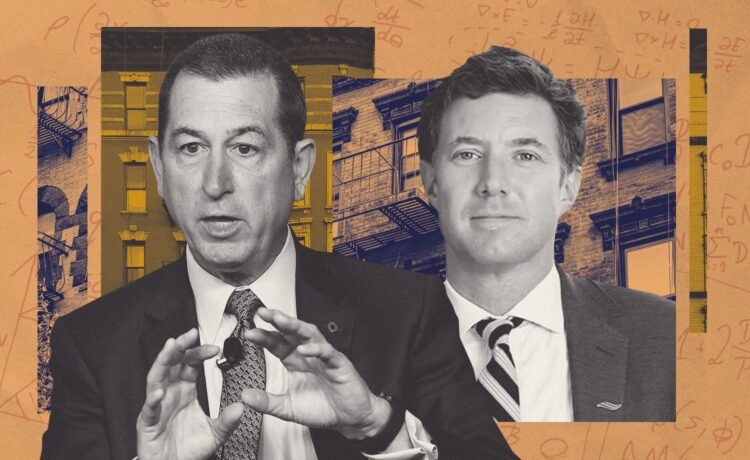
A rent freeze will cost the most exposed landlords, according to new modeling from Flagstar Bank.
Buildings in Flagstar’s portfolio where more than 70 percent of units are rent-stabilized would see a 7 to 8 percent drop in net operating income over three years, Flagstar CFO Lee Smith said on an earnings call Friday.
But that risk would shrink for buildings with a smaller proportion of rent-stabilized units, which see no effect on new operating income assuming a three-year rent freeze starting in October, according to Smith.
The analysis puts a number and value on a policy that has struck fear into the hearts of rent-stabilized property owners. It also gives insight into the potential future of Flagstar, once a major lender to those same landlords, which has been trying to get multifamily loans off its books.
Smith touted the bank’s stance after significant charge-offs in the most exposed part of the portfolio.
“We believe we are more than covered given what we have already done,” he said.
Flagstar has decreased its exposure to New York City’s multifamily housing market by about $2.4 billion since the firm began reporting the numbers in the second quarter of 2025. Its exposure to buildings that are majority rent-stabilized has fallen from $9.9 billion to $8.8 billion in that time, a drop of about 11 percent, according to numbers released Thursday.
About half of the highly rent-stabilized portfolio, or $4.3 billion in loans, are criticized and classified.
About 38 percent of the highly rent-regulated portfolio is in the Bronx, the most of any borough, according to an investor presentation. The Bronx is the only borough in New York where net operating income is on the decline, according to New York’s Rent Guidelines Board. Some of the borough’s neighborhoods, such as Tremont, have seen declines in net operating income of over 13 percent.
Nearly $3 billion in loans tied to the highly rent-stabilized portfolio are set to mature in 2027.
The bank reported its second straight quarter of profitability, with quarterly earnings of $21 million in total and $0.04 per share. The bank is still on a mission to turnaround the business after it nearly collapsed in early 2024. The bank, then called New York Community Bank, disclosed internal loan review issues, resulting in a sell-off. It took a $1 billion equity injection to avoid failure.
Read more

Flagstar chips away at losses, reports $10B in rent-regulated NYC portfolio

Flagstar continues lowering rent-stabilized exposure

Summit confirmed as Pinnacle buyer, ending fight with Mamdani





Recent Comments