
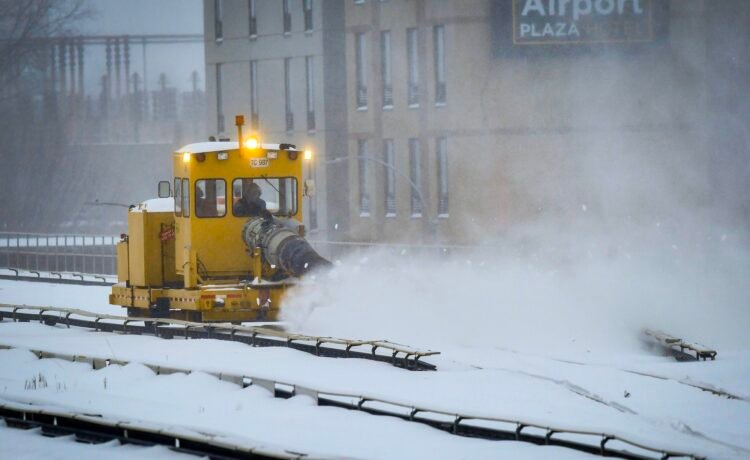
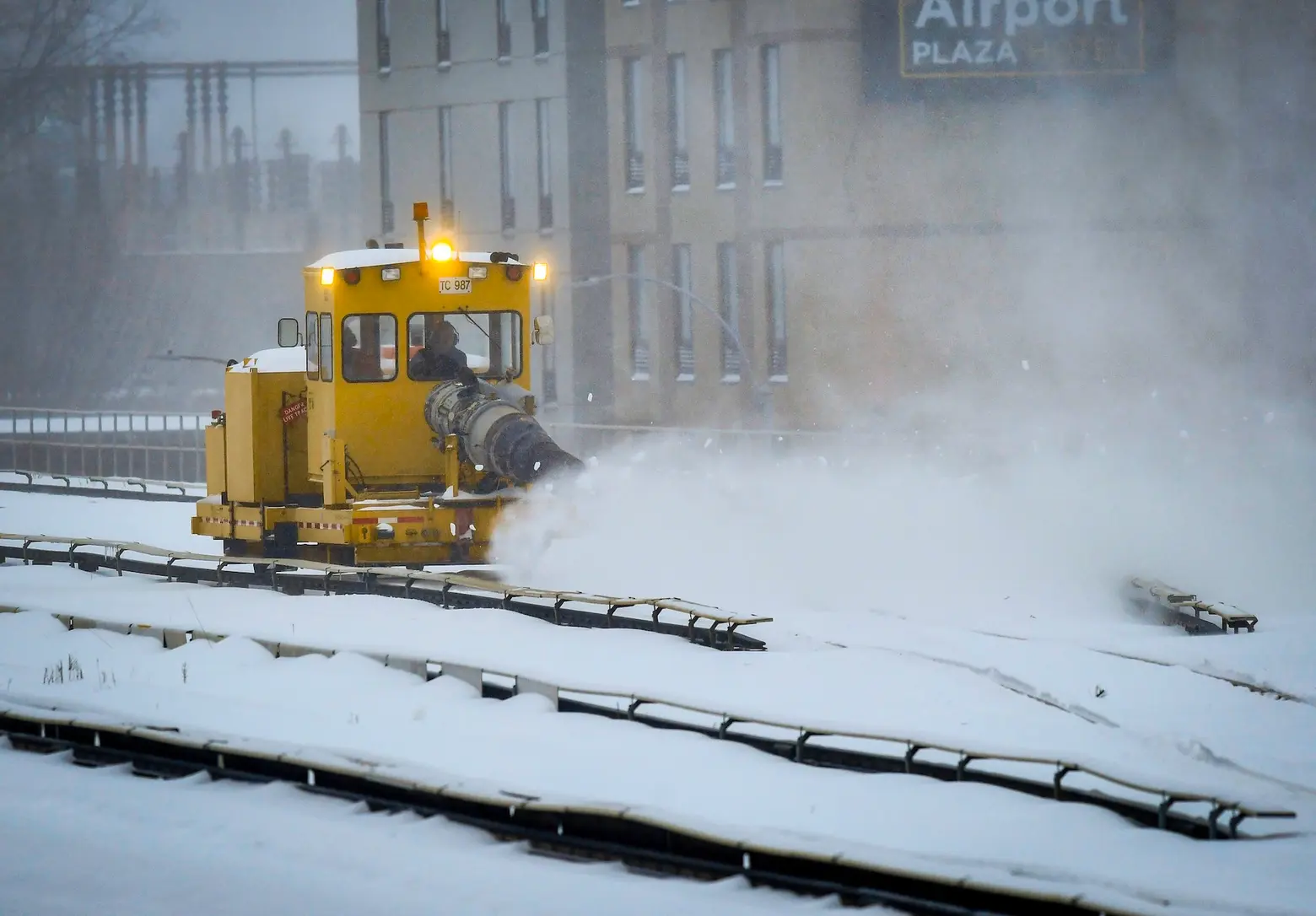
LIRR jet snow blower at Jamaica. Photo courtesy of Marc A. Hermann / MTA on Flickr
New York City’s biggest snowstorm in several years brought nearly a foot of snow to Central Park this weekend, with a mix of snowfall and sleet hitting all five boroughs and the broader region. While a travel advisory remains in effect through Monday, the city’s subways, buses, and commuter rail services are running, although with some delays, thanks to the Metropolitan Transportation Authority’s fleet of super-powered snow throwers, jet-powered snow blowers, and specially designed de-icing cars.
“We are operating full weekday service on the subways, on buses, the commuter rails are operating a robust, although slightly adjusted schedule,” Lieber said during an interview with NY1 on Monday.
“We are operating a Monday morning commute and super proud that folks like nurses, construction workers, and restaurant workers can get to where they need to be. It’s part of our morale to be able to deliver in a condition like this.”
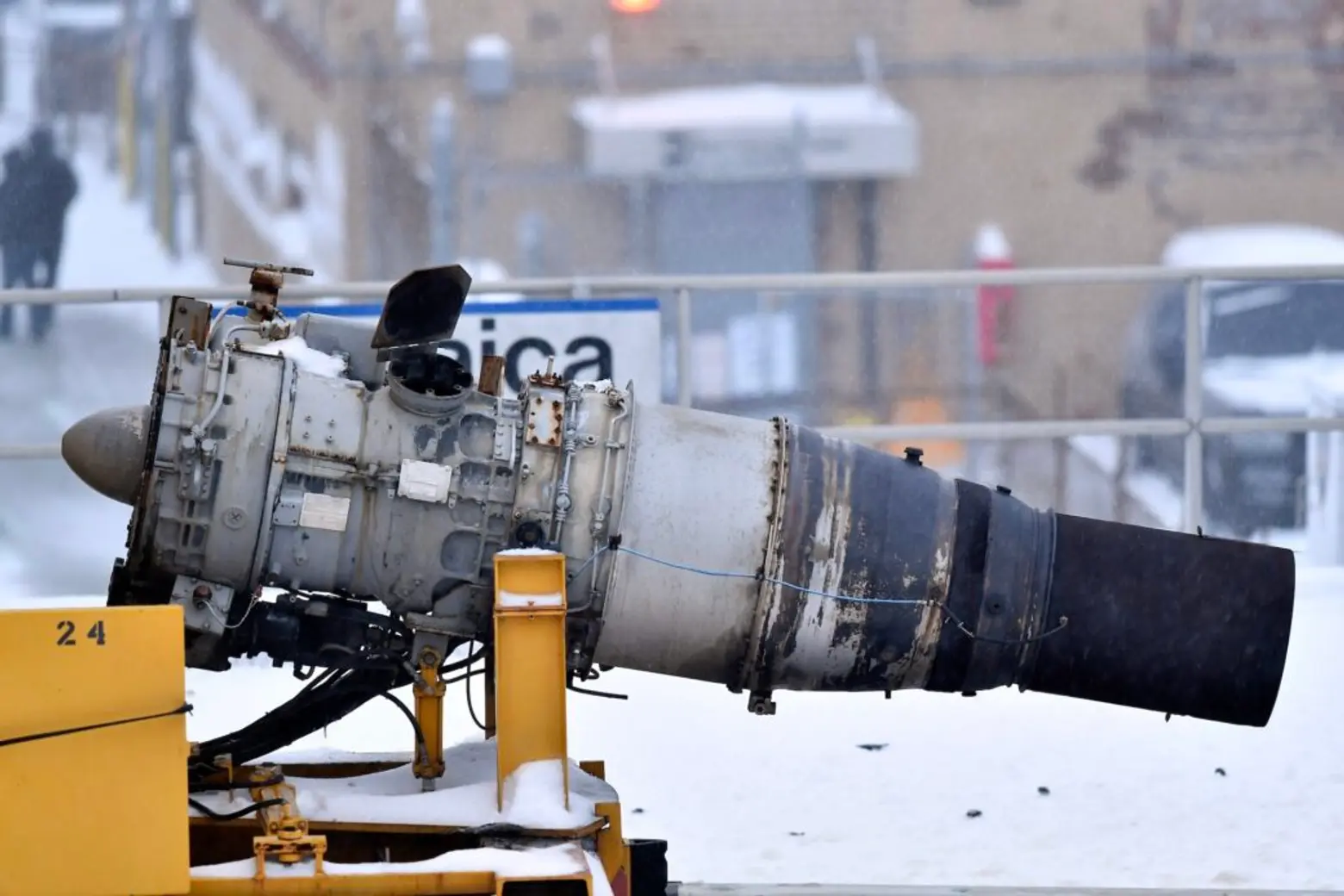
The Long Island Rail Road has 16 pieces of snow-fighting equipment, including seven rail-bound jet blowers, repurposed jet and helicopter engines, “that blast snow and ice clear of switches and the third rail.” The railroad said it has 736,000 pounds of salt on hand, 450 train cars equipped with third-rail scraper shoes, and about 1,800 employees assigned to snow-fighting operations.
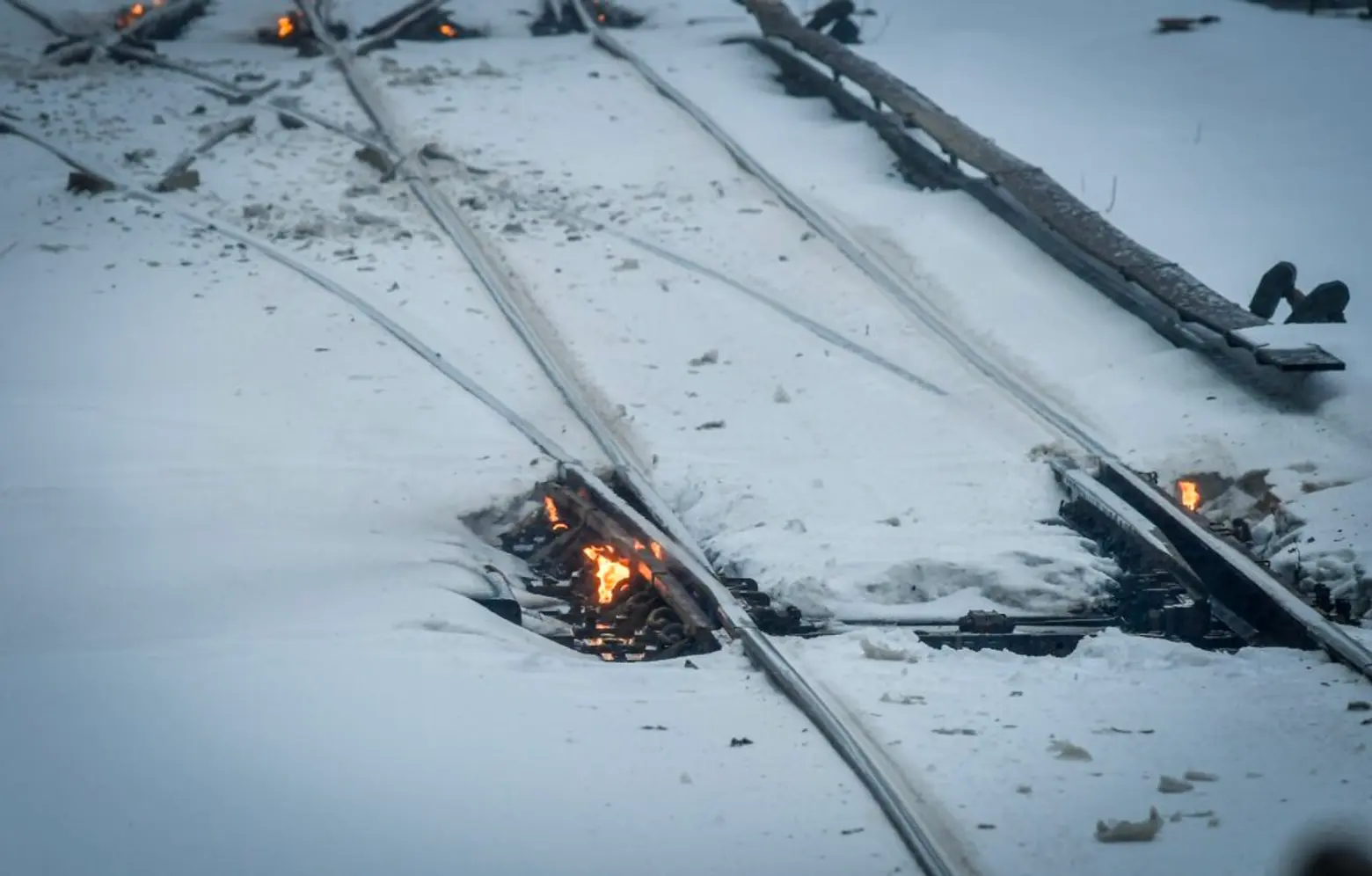
Similar equipment is used for the Metro-North Railroad, as well as electric switch heaters to melt snow on interlocking tracks.
According to the MTA, New York City Transit uses repurposed subway cars to de-ice the third rail and keep them clear of snow. As The City reported, the de-icer trains are retired “Redbirds,” which now scrape snow off the rail and spray with fluid.
While underground subway stations are mostly unaffected by snowfall, the system’s 220 miles of outdoor track are most vulnerable to snow and icy conditions.
According to the MTA, the tracks most affected by the snow include the Rockaway A and S line, Sea Beach N line, Flushing 7 line, Brighton B and Q line, and Dyre Avenue 5 line.
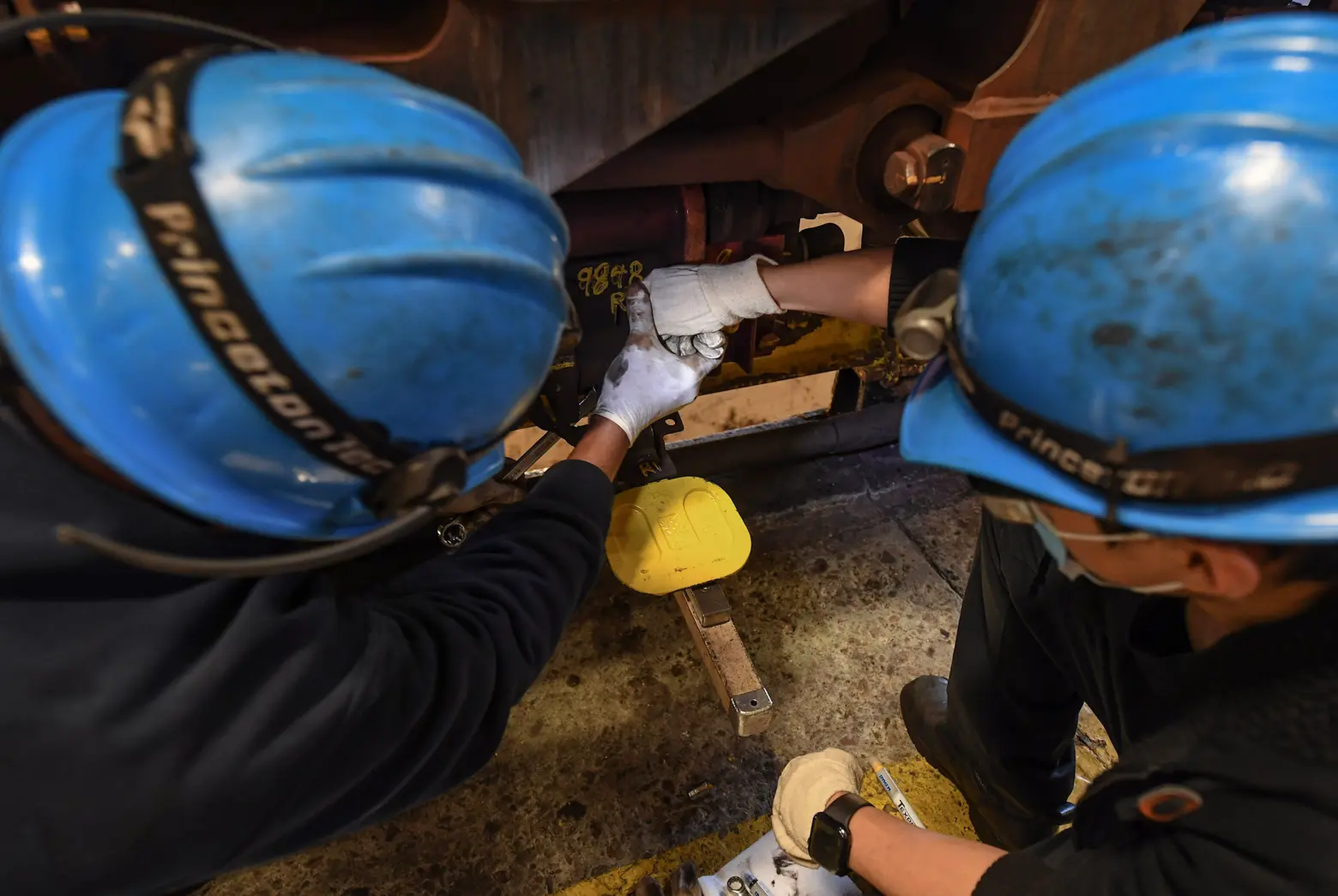
MTA NYC Transit Car Equipment Maintainers install scraper shoes on an R-160 train at the Coney Island Maintenance Facility on 12/15/20; Photo: Marc A. Hermann / MTA
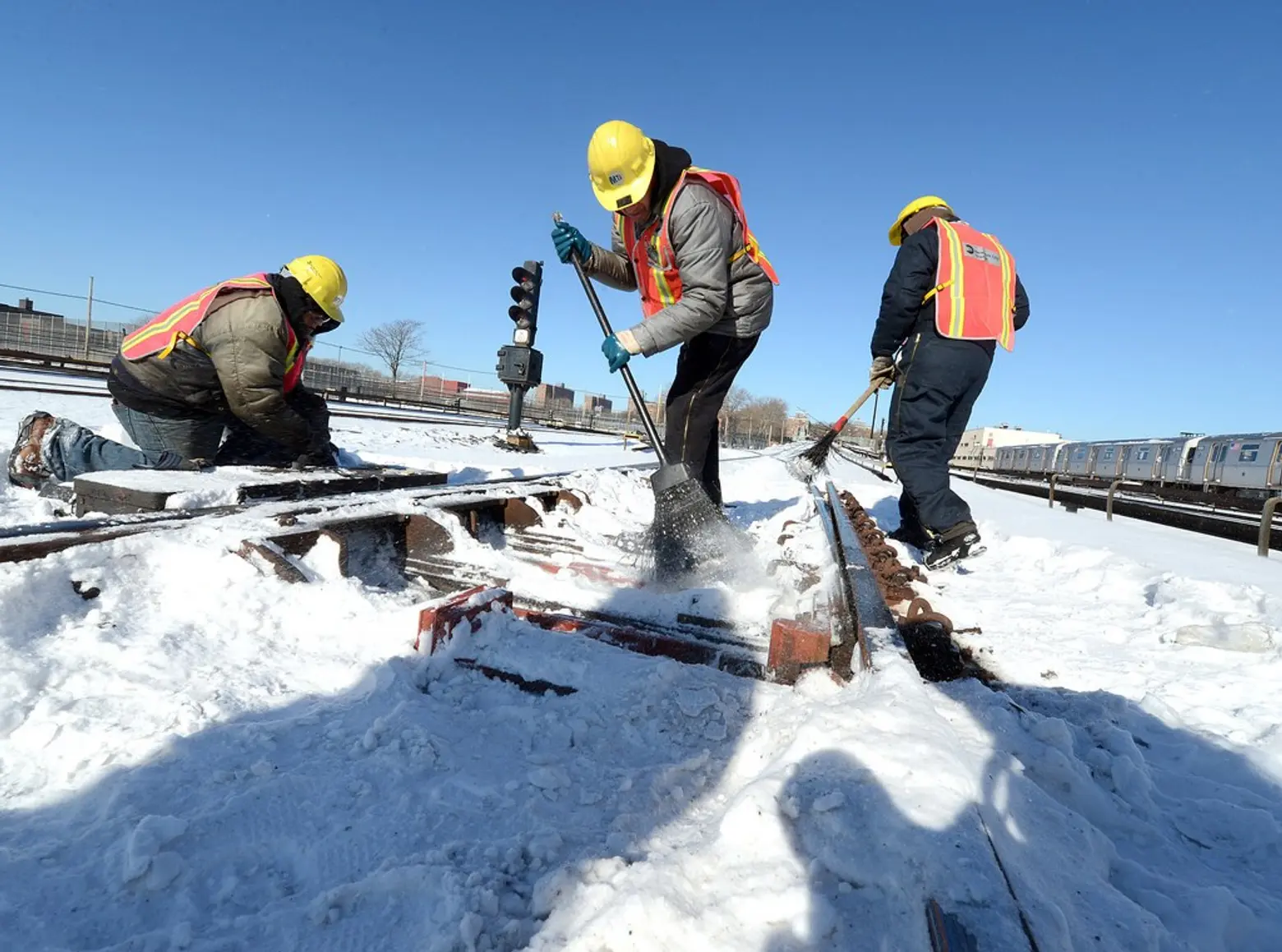
Signal Maintainers clear switches in the Coney Island Yard after a 2014 storm via MTA’s Flickr
NYC buses have been fitted with tire chains. The articulated buses will be replaced by shorter buses, which can handle snow more easily.
The MTA also preps its subway fleet for snow by spraying an anti-freeze agent on door panels, purging air brake lines of moisture to prevent freezing, and equipping electric trains with third rail shoes with holes to stop snow from sticking.
And when the snow throwers, jet blowers, and de-icer cars can’t do the job, MTA signal maintainers are sent out to clear switches with what looks like a couple of brooms. The MTA created a video about the ways they prepare for winter storms. Watch it below:
According to Mayor Zohran Mamdani, over 5,000 sanitation workers spanned 6,000 miles of roads multiple times, using 2,500 pieces of equipment to plow “snow, pour brine, and disperse tens of millions of pounds of salt.” The mayor said nearly 19 tons of anti-icing solution were applied to the East River bridges by the Department of Transportation. Dangerous cold is expected to continue through this week.
“I am grateful to all the New Yorkers who heeded our guidance to stay inside and to practice caution, and to every person who contributed to the citywide effort that allowed us to endure this storm successfully,” Mamdani said during a press conference on Monday.
“Please continue to monitor the cold temperatures that we are expecting over this coming week and to look out for one another.”
Editor’s Note: This story was originally published on January 4, 2018, and has been updated.
RELATED:





Recent Comments