

Nathalie Germain, a buyer on our platform, invests in a purchasing category that makes many landlords uneasy: distressed properties, where you may not get interior access before you commit. Her approach is practical: price the unknowns upfront, do what diligence you can from the street, and keep the rehab plan grounded in what you’ve seen before.
Nathalie is candid about the interior-access risk: “You’re taking a gamble every time as an investor and hoping that it works out for the best.”
Takeaway: When you can’t fully inspect a property, the only “control” you have is how you underwrite uncertainty before you buy.
Who Nathalie Germain Is, and Why One Neighborhood Matters
Nathalie is based in Chicago and invests through a team that operates under Breakthrough Realty. She and her partners started investing in the Morgan Park neighborhood about 10 years ago and calls it their “bread and butter.” She also mentions investing in other neighborhoods throughout Chicagoland, with current work focused on single-family and two-to-four-unit properties.
Nathalie describes her current portfolio as over 50 doors and about 40 properties.
Takeaway: A defined buy box, starting with neighborhood focus, can make it easier to evaluate riskier acquisitions consistently.
The “Unknown Interior” Reality, and How She Prices the Risk
Nathalie bought two properties on our platform last year, and one of the core challenges was that they did not have interior access at the time they were making decisions.
Nathalie’s underwriting response is not to “hope” the inside is fine. She starts with a rehab baseline based on what she has done in that area for a similar-sized property, then adds additional budget to cover what can go wrong when you can’t see inside.
Nathalie’s example is as direct as it gets: “You might walk into a pond in the basement.” She also explicitly mentions “busted pipes” as the type of risk she and her partners plan for when they build that extra cushion.
Takeaway: If the deal only works in a clean-interior scenario, you’re not underwriting the deal you’re actually buying.
What She Does Before Buying When She Can Only Do a Drive-By
When interior access isn’t available, Nathalie still tries to reduce uncertainty from the outside. She describes circling the block and looking at the property from the street before moving forward, while being careful not to disturb occupants.
Nathalie also warns against overweighting curb appeal: “We just make sure from the outside, but the outside can be very deceiving because the inside could be in poor condition.”
Takeaway: With limited access, you’re underwriting location and visible exterior condition—and assuming the interior may be worse than it looks.
Two Outcomes on the Same Street
Nathalie’s two purchases illustrate how different “unknown interior” deals can look after you finally get access.
Deal 1: Tenant in place, stabilized cash flow, then improvements

For the first property, Nathalie says it had a tenant when they purchased it, so it was already cash flowing. She describes telling the tenant they weren’t going to raise rent immediately, then doing a “small unit turn.” That work included addressing deferred maintenance and updating bathrooms, paint, and exterior work.
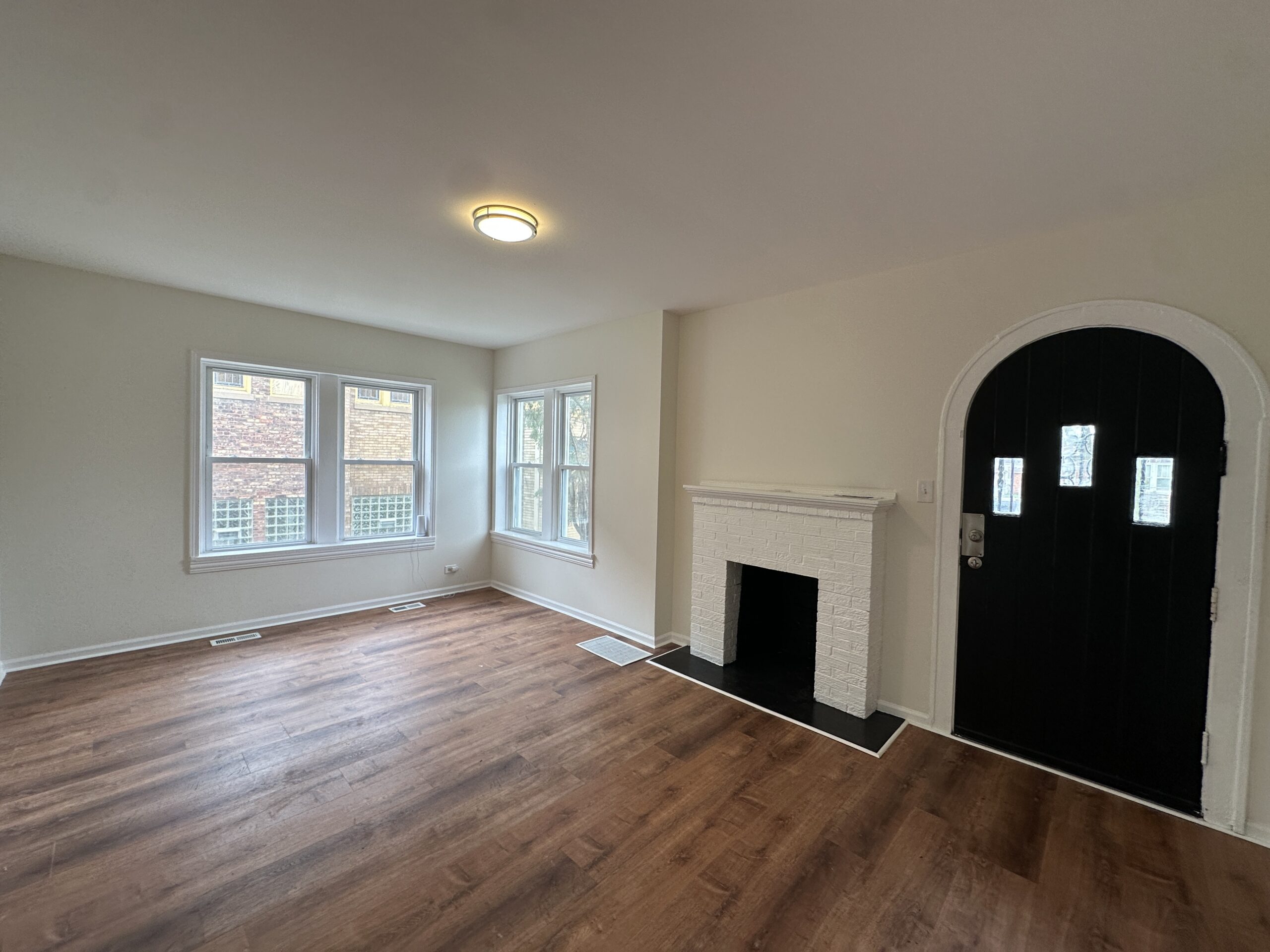
She says they are now getting about $3,000 per month in rent for that single-family home.
Takeaway: When a property is already occupied and performing, “improve first” can be a viable way to preserve stability while raising quality.
Deal 2: Nonpaying tenant, cash for keys, heavier rehab, and an exterior surprise
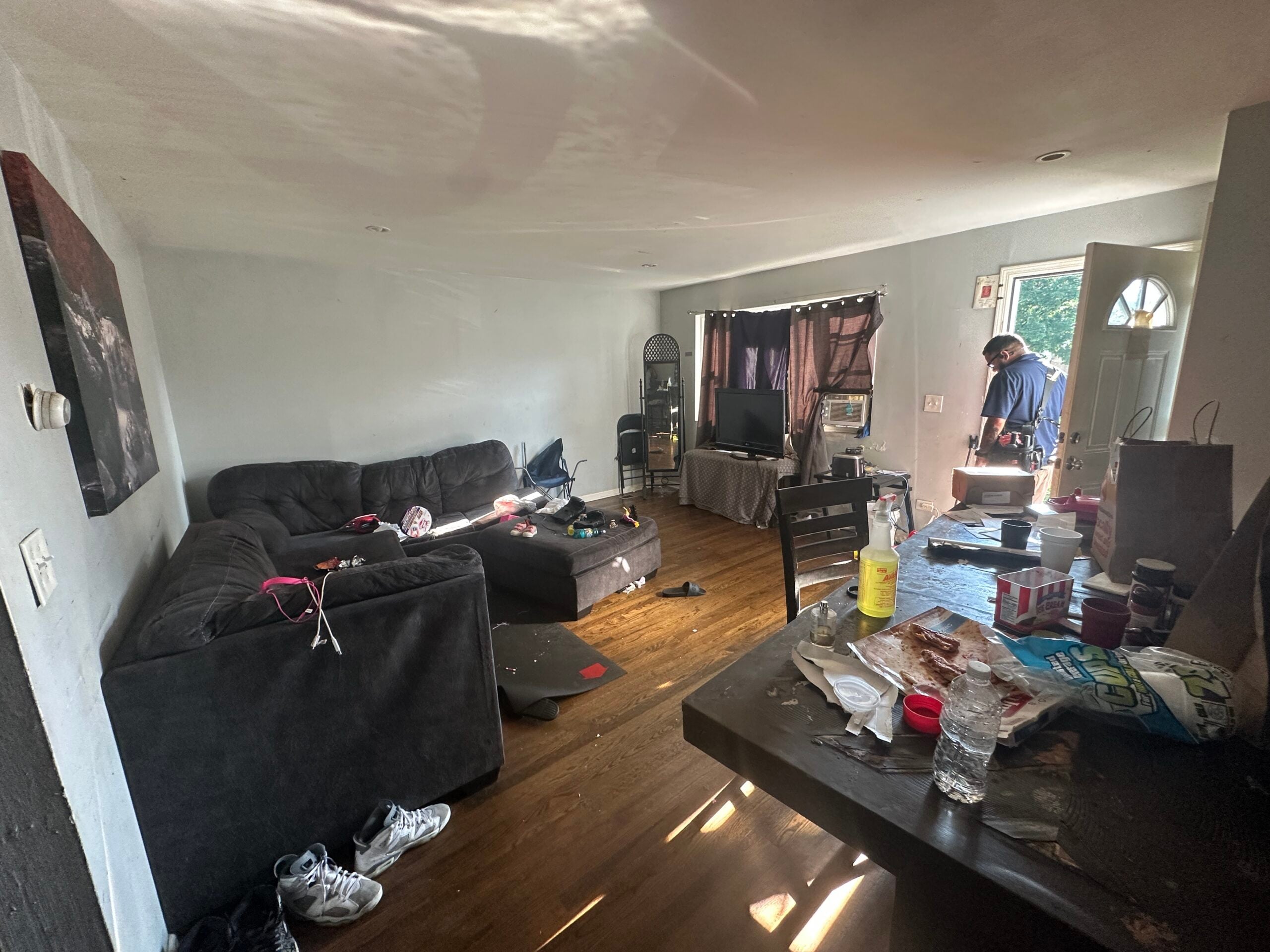
The second property, Nathalie says, was trickier. The tenant was not paying rent. She describes using cash for keys and says it took a couple of months to get the tenant moved out. 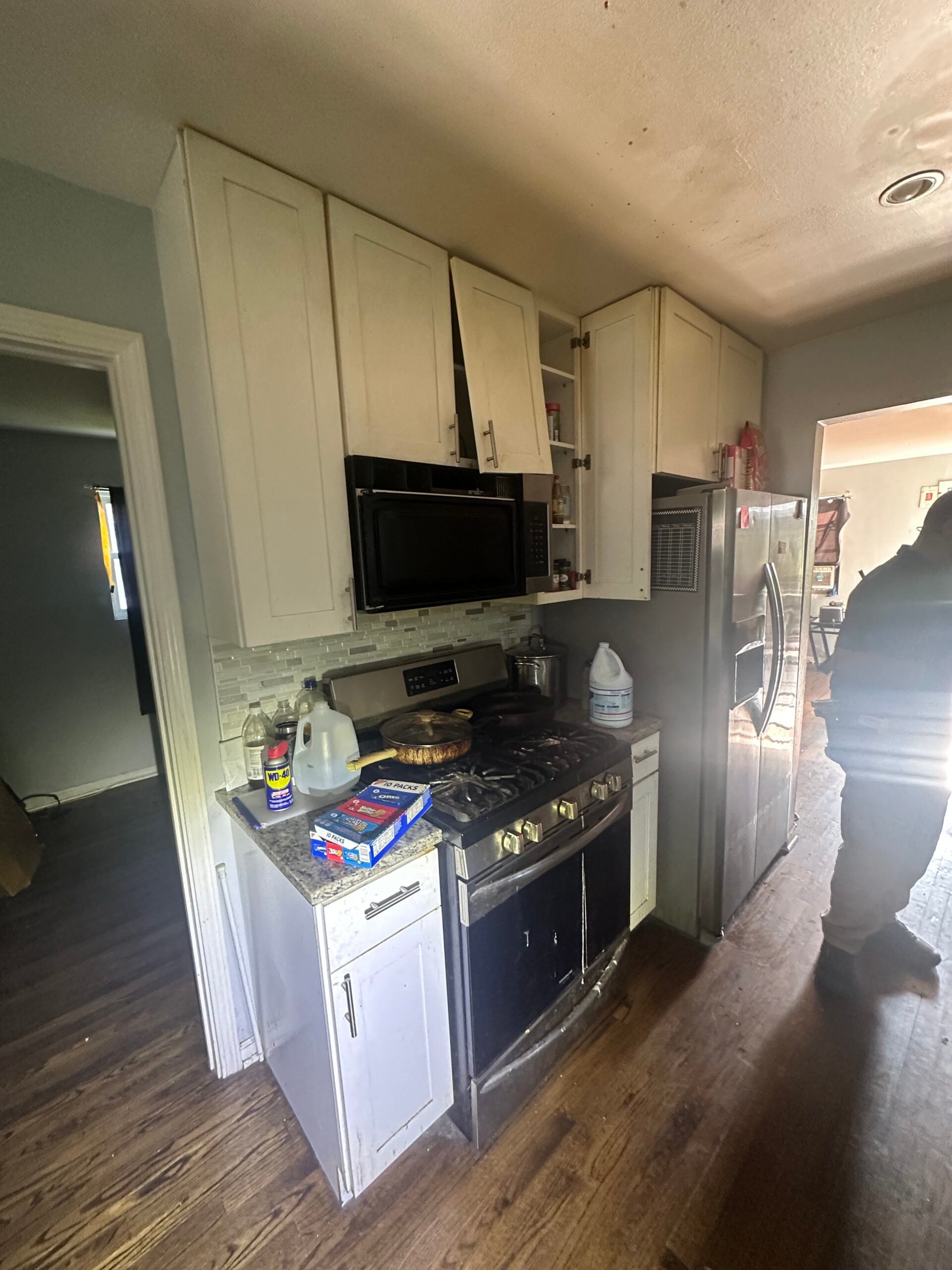
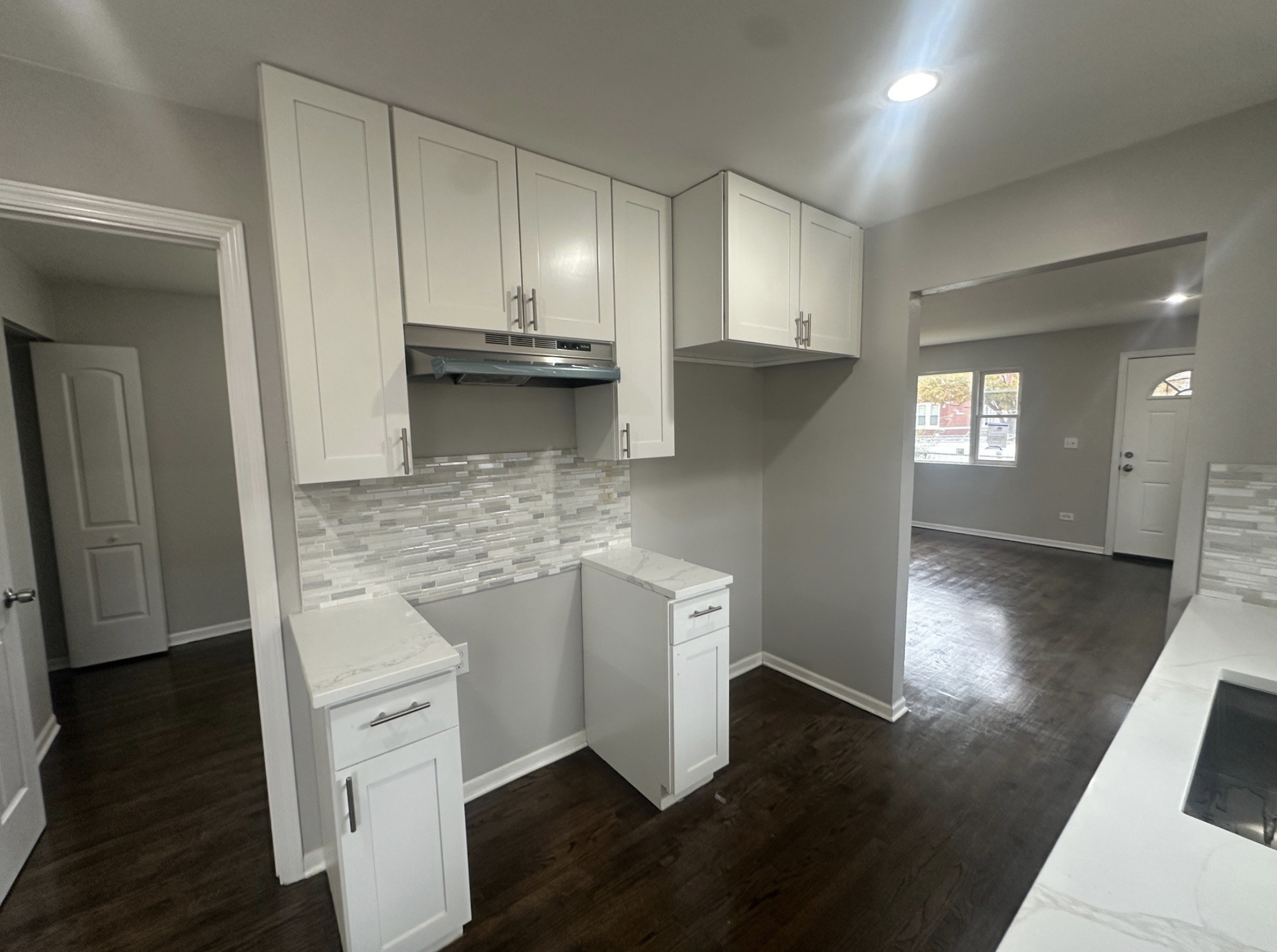
Once they got inside, she says they “weren’t as lucky” as with the first property, and they completed significant work: new floors throughout, painting, new bathrooms, and a new kitchen.

Nathalie also mentions an exterior issue that created additional scope: removing trees, including one that fell on the roof.
She describes that home as a five-bedroom, two-bath property and says they’re getting about $2,800 in rent.
Takeaway: Occupancy and condition surprises are not edge cases in this niche—they’re normal costs you must underwrite.
Why Vouchers Show Up Across Her Portfolio
Nathalie says a large portion of her portfolio is voucher holders, and she connects that to the Chicago Housing Authority. She also describes the administrative timeline reality: From purchase and rehab to rent approval, she cites about four to six months in one example.
Takeaway: Ensure that your timelines are realistic, especially if your deal depends on short-term construction financing.
Her Rental Rehab Standard: Reduce Future Maintenance Calls
Nathalie describes doing more than cosmetic upgrades. She mentions addressing items other rehabbers may skip, including furnaces, changing plumbing from galvanized to copper, electric boxes, and evaluating the roof, because, she says, doing that work upfront reduces future maintenance calls.
Takeaway: In rentals, the rehab that avoids repeat calls is often worth more than the rehab that only looks good on day one.






Recent Comments