
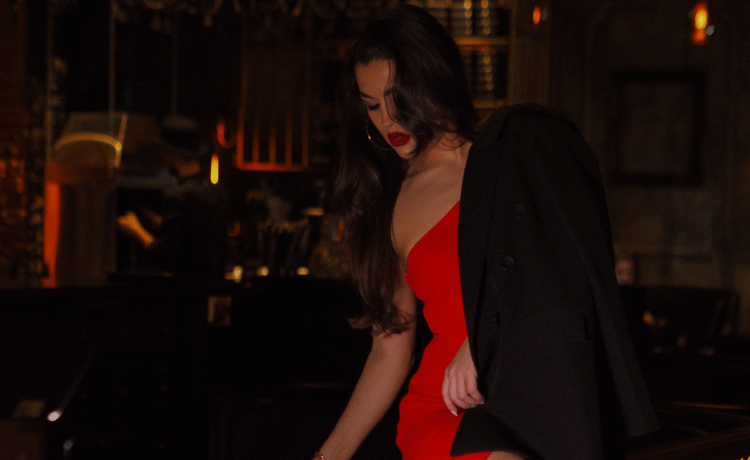
Layering is the quiet difference between a dress that looks finished and one that looks styled. It is not about covering up. It is about adding intention. The right jacket, wrap, or finishing layer can change the mood of a dress entirely, taking it from simple to striking, from seasonal to event-ready, and from beautiful to unforgettable.
Whether you are dressing for a formal evening, a wedding, or a special event with shifting temperatures, mastering dress layering gives you flexibility and polish without sacrificing elegance. Here is how to do it thoughtfully.
Why Layering Matters in Eveningwear
Evening dresses are often designed as a single statement, but real life adds variables. Cool venues, outdoor ceremonies, long nights, and formal settings all call for coverage at some point. Layering solves practical needs while creating visual depth.
A well-chosen layer can:
-
Add structure or softness depending on the look you want
-
Extend the wearability of a sleeveless or strapless dress
-
Introduce texture, contrast, or color without overwhelming the dress
-
Make your outfit feel intentional in photos and in motion
The key is choosing pieces that enhance the dress rather than compete with it.
Jackets: Structure, Confidence, and Modern Polish
A jacket is the most transformative layering piece you can add to a dress. It introduces structure and often shifts the look from romantic to powerful or from classic to modern.
Cropped Jackets
Cropped jackets work beautifully with full skirts, A-line dresses, and ball gowns. Because they stop at or above the waist, they preserve proportion and highlight the narrowest part of the body.
Best for:
-
Strapless or sleeveless gowns
-
Fit-and-flare or ball gown silhouettes
-
Events where you want polish without heaviness
Choose clean lines and minimal hardware. Satin, crepe, or subtle jacquard keeps the look elevated.
Tailored Blazers
A sharp blazer over a dress feels confident and contemporary. This pairing works especially well for city weddings, gallery events, and evening receptions where modern style is welcome.
Best for:
Look for slim lapels, structured shoulders, and a precise fit. The blazer should feel intentional, not borrowed.
Statement Jackets
Embellished, embroidered, or textured jackets turn a simple dress into a standout look. Think metallic threads, beading, velvet, or dramatic sleeves.
Best for:
-
Simple gowns that need a focal point
-
After-dark events and galas
-
When you want your layer to be part of the outfit, not an afterthought
Keep the rest of your styling restrained so the jacket can lead.

Wraps and Shawls: Softness and Movement
Wraps are the most classic evening layer, and when chosen well, they remain timeless.
Stoles and Shawls
A stole draped over the shoulders adds warmth without hiding the dress. It photographs beautifully and moves gracefully as you walk.
Best for:
-
Strapless, one-shoulder, or delicate necklines
-
Formal weddings and black-tie events
-
Situations where you want coverage that feels light
Choose fabrics that flow rather than cling. Chiffon, silk, cashmere blends, and fine knits work better than stiff materials.
Pashminas and Lightweight Wraps
These are practical without looking casual when styled correctly. Neutral tones or soft metallics elevate the look.
Best for:
Avoid heavy fringe or oversized patterns that can distract from the dress.
Capes and Ponchos: Drama Without Bulk
Capes have made a strong return in eveningwear because they offer coverage and impact at the same time.
A sheer or lightly embellished cape can:
-
Frame the shoulders and neckline
-
Add drama without adding weight
-
Create stunning movement in photos
Capes work best with streamlined dresses so the silhouette stays balanced. When you choose a cape, let it be the statement and keep jewelry minimal.
Accessories as Layers: The Finishing Touches
Not all layering involves fabric. Accessories can act as visual layers that complete a look.
Belts
A belt can redefine a dress instantly. A slim metallic belt adds polish, while a fabric sash softens the look.
Use belts to:
-
Highlight the waist under a jacket or wrap
-
Add contrast to monochrome dresses
-
Bring structure to flowy silhouettes
Gloves
Evening gloves are back in a refined way. Sheer or satin gloves add elegance without feeling theatrical when paired with simple gowns.
Best for:
Jewelry as Balance
Layering is about balance. If you add a jacket or cape, consider dialing back on necklaces. Let earrings, a cuff, or a single ring do the work.
Matching Layers to Dress Silhouettes
Ball Gowns and Full Skirts
Choose cropped jackets, fitted wraps, or short capes to avoid overwhelming the skirt.
Sheath and Column Dresses
Tailored blazers, longline jackets, and structured coats enhance the vertical line.
Slip Dresses
Soft wraps, shawls, or a minimalist blazer keep the look refined rather than casual.
Highly Embellished Dresses
Stick to clean, understated layers in complementary tones so the dress remains the focus.
Color and Texture: The Subtle Art of Contrast
Layering is an opportunity to introduce contrast without chaos.
-
Match neutrals with neutrals for timeless elegance
-
Use metallic layers to add light without adding color
-
Pair matte dresses with soft sheen layers for depth
-
Keep bold colors limited to one element
If your dress is richly colored, choose a neutral or tonal layer. If the dress is simple, the layer can carry more visual interest.
Practical Tips That Make Layering Look Intentional
-
Always try the full look together before the event
-
Move in your layers to make sure they stay in place
-
Consider where you will remove or carry a layer later
-
Avoid bulky fabrics that wrinkle easily or add volume at the waist
-
Tailoring matters. Even wraps benefit from thoughtful drape and length
Layering should feel effortless, not fussy.
Elevating the Look Without Overdoing It
The most successful layered looks follow one rule: let one piece lead. If the jacket is dramatic, keep accessories simple. If the wrap is sheer and romantic, let the dress shine. Editing is what separates elegant layering from visual clutter.
Final Thoughts
Dress layering is an art because it blends style, function, and personality. The right jacket, wrap, or accessory does more than keep you warm. It frames the dress, enhances your confidence, and helps you adapt to the moment without losing your look.
When done thoughtfully, layering turns a beautiful dress into a complete outfit. It allows you to move through the evening with ease, polish, and presence. And that is what great style always does: it supports you while letting you shine.





Recent Comments