
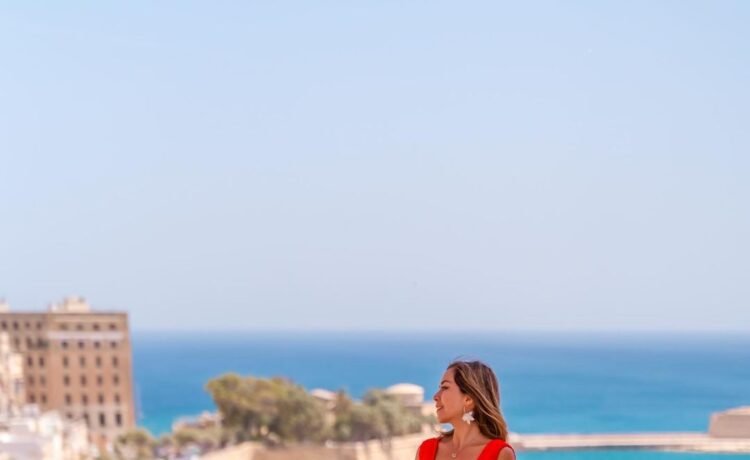
We’ll let you in on a secret: for destination weddings, the dress isn’t the hard part. The fabric is.
That might sound technical, but it’s the truth. A destination wedding dress has to survive travel, adapt to a different climate, hold its shape after hours in a suitcase… After all that, your dress will have to look picture-perfect from every angle. Style matters. But performance matters just as much.
We’re seeing more women travel for weddings than ever before. That’s a lot of gowns being folded into carry-ons and checked luggage. And once a dress is packed tightly for hours, fabric behavior becomes very real.
Luxury, in this context, isn’t just about how something looks on a hanger. It’s about how it performs when you live in it.
What Really Happens to a Dress in Transit
A dress that feels perfect in a fitting room can behave very differently after six hours compressed between shoes and a makeup bag.
Some fabrics crease deeply and hold that fold like memory foam. Others relax once they’re hung. Textile specialists explain that fibers with lower elasticity, like linen and certain cotton weaves, wrinkle more easily because their structure doesn’t spring back. Blended fabrics and many synthetics have more resilience built into the fiber itself.
That technical detail translates into something simple. If you won’t have professional pressing available at your destination, you need a fabric that forgives.
Weight is another factor that often gets overlooked. Heavy, densely layered materials create sharper fold lines and take up more space. Lighter fabrics compress more gently. They also tend to recover faster once unpacked.
Then there’s climate. Breathability is not a small detail when you’re attending a beach ceremony at 85 degrees. Research on thermal comfort consistently shows that lightweight fabrics allow better airflow and moisture evaporation, which directly affects how comfortable we feel in warm environments. When humidity enters the picture, fabric choice becomes even more important.
We can love a dramatic silhouette. We just have to choose one that works with the setting.
Chiffon: The Destination Classic for a Reason
There’s a reason chiffon shows up at so many beach and garden weddings. It simply works.
Because chiffon is lightweight and airy, it doesn’t form harsh crease lines when folded carefully. Once hung, minor wrinkles tend to soften naturally. It moves with air rather than resisting it, which makes it ideal for outdoor ceremonies where wind is part of the atmosphere.
In photographs, chiffon diffuses light beautifully. It doesn’t reflect harshly or cling awkwardly. It creates movement, which translates into softness in motion shots. For sunset ceremonies, that fluid quality feels intentional rather than overly styled.
We gravitate toward chiffon when the setting calls for ease without sacrificing elegance.
Crepe: Clean, Modern, and Surprisingly Practical
Crepe has a different energy. It’s sleek. Structured. Minimal in the best way.
What makes crepe ideal for destination weddings is its balance. It holds shape without stiffness. It doesn’t collapse into wrinkles easily. It gives you architectural lines without the heaviness of traditional structured fabrics.
For city destination weddings, especially those hosted in rooftops, galleries, or formal indoor venues, crepe feels appropriate. It photographs sharply. It maintains its silhouette through long dinners and dancing.
It also responds well to light steaming, which makes it practical when you’re getting ready in a hotel room.
Satin Blends: Shine Without the Stress
Satin has a presence. There’s no denying that. But not all satin behaves the same.
Traditional heavy satin can crease deeply and feel weighty in transit. Modern satin blends, however, are lighter and more flexible. They still offer that luminous surface that photographs beautifully in evening light, but they are easier to manage in a suitcase.
When folded carefully or rolled, lighter satin blends tend to recover more gracefully. A brief steam session is usually enough to smooth minor lines.
For formal destination weddings that transition into candlelit receptions, satin blends offer drama without unnecessary risk.

Tulle and Organza: Volume That Travels
Volume doesn’t automatically mean bulk.
Tulle is airy by nature. It compresses surprisingly well because it doesn’t create sharp structural folds. Instead, it springs back into softness once released. For vineyard ceremonies or romantic countryside venues, layered tulle brings dimension without weighing you down.
Organza carries a bit more structure than tulle, but it’s still lighter than traditional satin. It holds shape in a crisp way that feels elevated. When the dress code leans formal but the setting requires travel, organza can offer that sculptural presence without overwhelming your luggage.
Choosing between the two often comes down to mood. Tulle feels dreamy. Organza feels defined.
Lace and Jersey: Texture vs Comfort
Lace adds detail and depth, but its performance depends entirely on construction.
Lightweight lace overlays breathe well and adapt nicely to travel. They add texture without heaviness. In coastal settings especially, lace feels organic and romantic.
Heavily beaded lace is another story. Embellishment increases weight and fragility. It may look extraordinary in a controlled environment, but travel adds unpredictability.
Jersey and knit fabrics sit at the other end of the spectrum. They resist creasing naturally and adapt to movement effortlessly. For resort weddings or relaxed beach ceremonies, they offer comfort without looking casual in a careless way.
When the celebration runs from ceremony into late-night dancing, that flexibility matters.
Fabrics That Require More Thought
Some fabrics simply demand more maintenance than a destination setting allows.
Dense beading increases both weight and risk. Airport handling is not gentle. Repairing intricate embellishment away from home can be stressful.
Heavily layered satin creates deep crease lines that may require professional pressing to remove completely.
Linen and traditional cotton wrinkle easily because of their fiber structure. They’re beautiful for daytime vacation outfits, but for a formal wedding guest dress that needs to look polished for hours, they can feel unpredictable.
We don’t avoid these fabrics entirely. We just choose them carefully when travel is involved.
Let the Climate Guide You
A beach wedding in Tulum requires a different fabric mindset than a fall ceremony in Napa.
In tropical or humid settings, airflow and lightness take priority. Chiffon, soft lace, tulle, and breathable blends allow movement and help regulate temperature. They prevent that overheated feeling that can distract from the celebration.
City destination weddings often happen in temperature-controlled venues. That gives you flexibility. Crepe and satin blends thrive in those environments because climate becomes less of a limiting factor.
Cooler climates allow for slightly heavier constructions, but packability still matters. A layered chiffon gown or structured crepe dress paired with a tailored wrap provides warmth without compromising mobility.
The location should influence the fabric as much as the dress code does.
Packing Without Panic
Even the right fabric benefits from thoughtful packing.
Rolling garments instead of sharply folding them can reduce hard crease lines. Hanging the dress as soon as you arrive allows gravity to do part of the work.
A compact travel steamer can make a noticeable difference if you attend formal events regularly. When that isn’t available, hanging the dress in a steamy bathroom often softens minor wrinkles enough to restore shape.
A small sewing kit takes up almost no space and solves problems quickly. A loose strap or hook shouldn’t derail your evening.
The Bigger Picture
Destination weddings are about experience. Travel. Celebration. Being fully present.
The right fabric removes unnecessary friction from that experience. It allows you to move comfortably, adapt to the environment, and focus on the moment instead of your hemline.
When exploring destination-ready styles at New York Dress, we recommend paying close attention to fabric descriptions as carefully as you consider color and silhouette. Chiffon, crepe, satin blends, lightweight lace, tulle, and organza consistently offer the strongest balance between elegance and practicality.




Recent Comments