
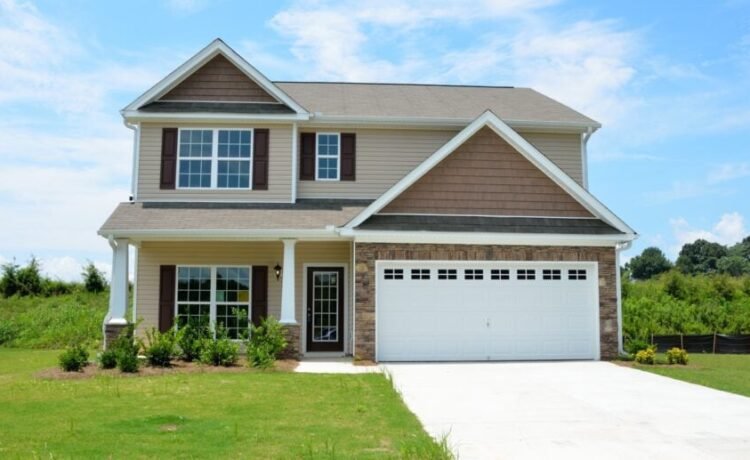
The dream Wall Street REITs had of owning vast swathes of purposely built single-family rental communities, stretching as far as the eye could see, has hit a snag. A new “seven-year sell-off” rule has many people wondering if the build-to-rent (BTR) phenomenon is over before it really began.
A provision in the 21st Century ROAD to Housing Act would force institutional investors to sell newly built rental homes seven years after construction. Industry groups, such as members of the Build America Caucus, fear that it could stop new build-to-rent projects and ripple through the housing ecosystem, affecting both Wall Street titans and mom-and-pop investors.
What the Seven-Year Sell-Off Rule Does
At the center of the debate is Section 901 of the Senate’s 21st Century ROAD to Housing Act, which passed the Senate in March and is now awaiting reconciliation with a different House version. The bill targets institutional landlords who own at least 350 single-family homes, capping their ability to acquire more properties by requiring them to sell newly built rental units to individual buyers after seven years or face penalties, the New York Times reports.
“It is as if the bill views renters as [being] not deserving of a single-family lifestyle,” Ryan Smidt, chief executive of Clay Residential, a Houston builder of single-family rental communities in Texas, told the Times.
Why Wall Street Is Fuming
The build-to-rent phenomenon has taken shape over the last few years, with major REITs such as Blackstone, Invitation Homes, and Pretium Partners pulling back from investing in individual single-family homes in favor of new communities, which they could better manage and control.
“We think we’re really in the early stages of what could be a pretty significant, almost new asset class,” AvalonBay chief investment officer Matt Birenbaum told the Wall Street Journal in 2024.
The housing crisis, however, has changed the game, as the government seeks ways to increase inventory and homeownership. Jim Baker, executive director of the Private Equity Stakeholder Project, a watchdog organization focused on the impact of institutional investors, told the Times:
“Build to rent is essentially homebuilders switching their construction from building homes for people to building homes for large institutional investors. It puts homeownership further out of reach for individuals, [denying them an opportunity] for building wealth for themselves, their families, and their children.”
Big investors are fuming over the new provision. “If this bill passes as is, I can’t really grow,” Richard Ross, chief executive of Quinn Residences, which owns about 5,300 single-family houses in rental communities across the Southeast, told the Times.
Why Lawmakers Turned Their Attention to Built-To-Rent Communities
Wall Street started investing heavily in single-family real estate after the 2008 financial crash, helping save thousands of homes from being abandoned when homeowners could no longer afford to live in them.
The purchases were made primarily in the Sunbelt, and they have continued to buy there. Although Wall Street owns only about 3% of single-family homes nationally, in certain cities, such as Atlanta, Phoenix, and Jacksonville, it owns 15%-30%.
Unsurprisingly, it’s also here that most BTR communities are based, which has amplified local concerns about pricing and competition with first-time homebuyers. This tallies with a recent NAR report showing that the share of first-time homebuyers fell to the lowest level on record this year.
The Backlash
Although the 21st Century ROAD to Housing Act was bipartisan, it’s not just Republicans who are against the seven-year sell-off requirement. Senator Brian Schatz, a Democrat from Hawaii, called the particular mandate “bizarre,” suggesting that it unfairly punishes those who want to build housing to replace aging rental stock. Commercial real estate groups have also urged Congress to remove the provision while maintaining restrictions on the purchase of existing homes.
A report from John Burns Research and Consulting said the new provision would have the opposite effect of what it was intended to achieve, the Wall Street Journal reported. “The capital devoted to rental development will have to look for opportunities elsewhere,” the report said. “We believe the number of new homes constructed in America will be less.”
Adrianne Todman, chief executive of the National Rental Home Council, which represents institutional homebuyers, shared the report’s sentiments, saying in the Journal: “In a housing supply bill, this is an anti-housing supply policy.”
The Takeaway for Small Investors
This provision only affects institutional investors with over 350 units, meaning smaller investors are safe. In fact, the lack of rental competition will likely spark optimism among active investors buying single-family homes, especially in Sunbelt markets where BTR construction was most robust.
There’s no doubt that living in a shiny, new amenity-filled BTR community has its pros and cons. One drawback is the rental price, which is generally far higher than that of a comparable-sized single-family home.
If Wall Street decides against the BTR strategy entirely, it will further stymie the need for additional housing, playing into the hands of landlords who currently own sizable portfolios or those seeking to expand their holdings.
Final Thoughts
Such is the blowback from institutional investors that this provision is by no means a done deal. Realtor.com reports that 76 House members have already warned Speaker Mike Johnson that the provision could shrink housing supply if not carefully implemented, so this will probably not be the last word. Expect carve-outs and adjustments.
Forcing tenants out and developers to sell their rentals will not be easy. Investors will also want to ascertain what the stipulation for the sell-off actually entails. Could there be an opportunity for investors to buy these homes, make cosmetic upgrades, and sell if the market is conducive? Will renting any sections of these homes through STR sites—with the owner-occupant present—be allowed?
Did you know that a BiggerPockets Pro membership comes with over $5,000 in potential annual savings through Pro Perks, including discounts on property management, banking, renovation supplies, and investor loans and insurance. Become a Pro today!






Recent Comments