
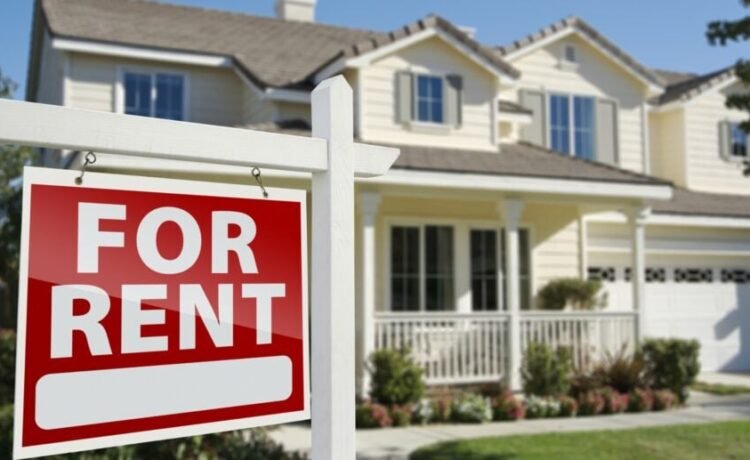
It feels like every other headline you read about homeownership goes something like: “Is the American dream dead?”
Click-baity as apocalyptic headlines are, plenty of strong data support the argument that homeownership is slipping out of many Americans’ hands. And that has implications for us as real estate investors—including people like me who rent their home while also investing in other people’s housing.
The Data on “Forever Renters”
A 2025 study by the National Association of Realtors found that the median age of first-time homebuyers reached an all-time high of 40. As my father told me when I turned 40, “You’re now middle-aged.”
The data doesn’t get any rosier from there. The same report found that first-time homebuyers make up just 21% of home purchases, a record low. The median age for repeat homebuyers is 62.
Consider another study entitled “Giving Up” by Northwestern University’s Seung Hyeong Lee and the University of Chicago’s Younggeun Yoo. They found that Gen Z “will reach retirement with a homeownership rate roughly 9.6 percentage points lower than that of their parents’ generation.”
The study also cites a Harris Poll survey revealing that 42% of Americans and 46% of Gen Z respondents agreed with the statement: “No matter how hard I work, I will never be able to afford a home I really love.”
Yikes.
Implications for Investors
If this pattern continues playing out, it could affect real estate investors in the following ways.
An older, more stable tenant pool
Historically, a huge percentage of renters have been young adults ranging from college students to thirtysomethings. They’ve aimed to buy a home before “settling down” with either marriage or kids. In 1991, the average first-time homebuyer was just 28 years old.
As Americans wait longer to buy homes—or just rent their whole lives—that means that landlords get to rent to older, more stable tenants. That means:
- Workers who are more established in their careers
- Families with children in school who don’t want to move
- Older adults, such as empty nesters, who have larger net worths and fewer expenses
That’s potentially a more attractive renter pool than rowdy twentysomethings who move every other year.
Longer tenancies
Older, more established renters tend to move less frequently. And as anyone who’s ever owned rental units knows, turnovers are where most of the cost and labor lies for landlords.
In other words, longer tenancies are all upside for rental and multifamily investors. Lesley Hurst, landlord and owner of Penn Charter Abstract title company, is already seeing this play out in Pittsburgh, telling BiggerPockets: “My rental properties cash flow well, largely because we’re seeing a more stable, long-term tenant base. That reduces turnover and vacancy risk and helps me earn consistent rental income without relying solely on appreciation.”
Higher-end rentals
Not every renter wants to buy a home.
“In Wichita, I work with plenty of people who could buy but choose to rent because it’s more flexible and more affordable than buying at today’s interest rates and prices,” explained Derek Grandfield of Freedom Property Investors in a conversation with BiggerPockets. “It’s changed how we think about our properties, focusing more on making them comfortable and livable for the long haul, not just quick turnovers.”
Also consider extremely expensive markets like San Francisco, where the rent-to-price ratio is nearly 36. It just doesn’t make any financial sense to buy there, even for the upper-middle class.
Senior living investments
Lifelong renters theoretically have fewer ties to their homes and are more open to moving into senior housing.
That runs the gamut from active adult communities up to assisted living and nursing homes. Either way, the “silver tsunami” is coming, and there isn’t enough infrastructure for it, so these senior living investments could continue to do better in the years and decades to come.
Huge appeal for entry-level homes for sale
Not every Gen Zer has given up on homeownership—they’re just pessimistic about it. But plenty of investors have built business plans to meet their needs.
For example, my co-investing club partnered with an investor who buys vacant land parcels and installs manufactured homes on them to sell to first-time homebuyers. They price them at literally half the local median home value. And they sell like hotcakes.
The Rise of Renter-Investors—Including Me
My family and I sold our prior home and have rented for the last 11 years. At first, we did so as expats living overseas, but even after moving back to the U.S., we continue to rent for flexibility. But that doesn’t mean I don’t have any real estate.
I own an interest in over 5,000 units around the country as a passive investor. In fact, I keep investing in new passive real estate investments every month as a member of a co-investing club.
I may or may not buy a home again in the future. Either way, I want plenty of diverse real estate in my “set-it-and-forget-it” portfolio. That includes a mix of hands-off JV partnerships, syndications, and secured private notes.
Even among homeowners and active investors, too many don’t bother to diversify their real estate investments. Their home makes up a disproportionate amount of their net worth, and they have tens or even hundreds of thousands of dollars tied up in each investment property.
That’s not a diverse real estate portfolio. I invest $5K-$10K at a time, every month, to practice dollar-cost averaging with real estate as I do with stocks.
Whether you rent or own, get more intentional with diversifying your portfolio. Don’t try to pick the next hot market or asset class—just steadily keep investing small amounts in new real estate investments.





Recent Comments